
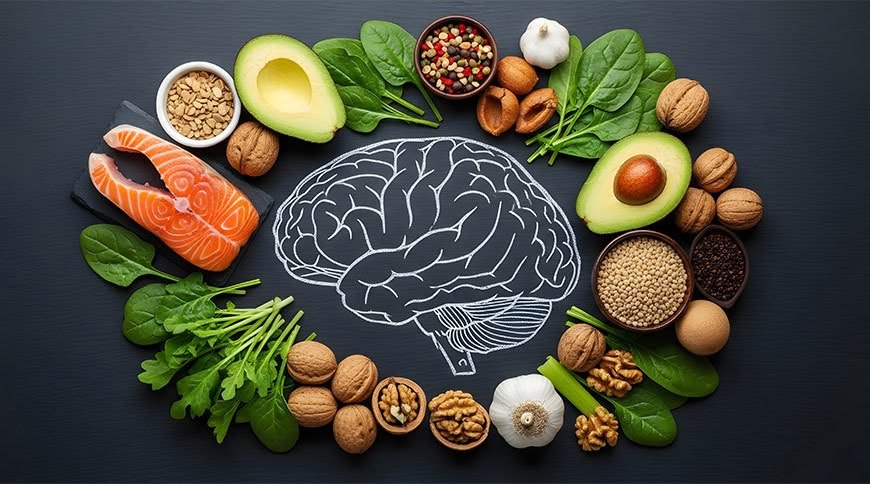
The brain is one of the body’s most active organs. It requires a continuous supply of energy and nutrients to perform functions related to thinking, learning, memory, movement, attention, and many other processes. The foods a person eats contribute to the nutrients available to the brain and the rest of the body.
There is no single food that can guarantee better memory or prevent every brain-related problem. Instead, overall dietary quality matters. A varied eating pattern that includes vegetables, fruits, whole grains, protein sources, healthy fats, and adequate fluids can provide many nutrients needed for normal brain function.
Understanding the relationship between nutrition and the brain can help people make practical food choices without relying on extreme diets or unrealistic claims.
Why Nutrition Matters For The Brain
The brain requires energy every day. Although it represents only a small portion of total body weight, it uses a significant amount of the body’s available energy.
Carbohydrates, fats, and proteins provide energy and building materials used throughout the body. Vitamins, minerals, and other nutrients also participate in biological processes that support normal cellular function.
A balanced diet helps provide these nutrients consistently.
Rather than focusing on one so-called “brain food,” it is more useful to build meals around a variety of nutrient-rich foods.
Fatty Fish And Omega-3 Fatty Acids
Fatty fish are well known for providing omega-3 fatty acids, particularly EPA and DHA.
DHA is an important structural component of cell membranes, including those found in the brain.
Examples of fatty fish include salmon, sardines, mackerel, trout, and herring.
Including fish as part of a balanced diet can provide protein and important fats. People who do not eat fish can discuss alternative sources of omega-3 fatty acids with a qualified healthcare professional or registered dietitian.
Nuts And Seeds
Nuts and seeds provide a combination of healthy fats, protein, fiber, vitamins, and minerals.
Walnuts, almonds, pistachios, sunflower seeds, pumpkin seeds, chia seeds, and flaxseeds can be included in meals or snacks.
Because nuts and seeds can be energy-dense, portion sizes may matter depending on a person’s overall dietary needs.
Adding a small amount to oatmeal, yogurt, salads, or other meals can increase variety and nutrient intake.
Leafy Green Vegetables
Leafy green vegetables provide several vitamins, minerals, fiber, and plant compounds.
Examples include spinach, kale, broccoli, lettuce, mustard greens, and other dark green vegetables.
These foods can be added to salads, soups, vegetable dishes, sandwiches, and cooked meals.
Eating a variety of vegetables rather than relying on one type can help provide a broader range of nutrients.
Berries And Other Fruits
Fruits provide carbohydrates, fiber, vitamins, minerals, and various plant compounds.
Berries such as strawberries, blueberries, blackberries, and raspberries are commonly included in dietary patterns associated with healthy eating.
Other fruits can also contribute valuable nutrients. Apples, oranges, bananas, grapes, pomegranates, guavas, and many other options can be part of a balanced diet.
The most useful approach is to eat a variety of fruits instead of focusing on one particular fruit.
Whole Grains
Whole grains provide carbohydrates, fiber, vitamins, and minerals.
Oats, brown rice, whole-wheat bread, barley, and other whole-grain foods can be included in everyday meals.
Carbohydrates provide energy, and the brain depends heavily on glucose as an energy source.
Choosing whole grains more often than refined grain products can increase fiber intake and contribute to overall dietary quality.
Eggs And Protein Sources
Protein provides amino acids that the body uses for many biological processes.
Eggs are a convenient source of protein and also contain several vitamins and minerals.
Other protein sources include fish, poultry, beans, lentils, peas, yogurt, milk, tofu, nuts, and seeds.
A balanced diet can include both animal and plant-based protein sources depending on personal preferences and dietary requirements.
Beans And Lentils
Beans and lentils provide plant-based protein, fiber, vitamins, and minerals.
Examples include chickpeas, kidney beans, black beans, peas, and lentils.
They can be used in soups, salads, curries, stews, and other meals.
Their combination of protein and fiber can also help create satisfying meals.
Avocados And Healthy Fats
Avocados contain monounsaturated fats along with fiber and several micronutrients.
Healthy fats can be part of a balanced eating pattern and are important because fats serve structural and functional roles throughout the body.
Other sources of unsaturated fats include olive oil, nuts, seeds, and certain types of fish.
The goal is not to remove all fats from the diet but to choose healthier sources more often.
Dark Chocolate In Moderation
Dark chocolate contains cocoa compounds and can provide certain minerals. However, chocolate products can also contain significant amounts of added sugar and calories.
If included in the diet, smaller portions of dark chocolate with a higher cocoa content can be one option.
It should be viewed as an occasional food rather than a necessary brain-health supplement.
Hydration And Brain Function
Water is essential for normal body function, including processes involving the brain.
Dehydration can contribute to tiredness and difficulty concentrating, particularly in hot weather or during physical activity.
Individual fluid requirements vary depending on climate, exercise, diet, age, and other factors.
Drinking water regularly throughout the day is a simple way to support hydration.
Water is generally the main beverage needed by most people. Unsweetened beverages can also contribute to daily fluid intake.
Important Vitamins And Minerals
Several vitamins and minerals are involved in normal nervous system function.
B vitamins, vitamin C, vitamin D, vitamin E, magnesium, iron, zinc, iodine, and other nutrients all have important roles in the body.
A varied diet can help provide many of these nutrients.
However, more is not always better. Taking large amounts of supplements without a demonstrated need can be unnecessary or harmful.
People concerned about a nutrient deficiency should discuss testing and supplementation with a healthcare professional.
Vitamin B12 And Brain Function
Vitamin B12 is important for normal nervous system function and red blood cell formation.
It is naturally found mainly in animal-based foods such as meat, fish, eggs, and dairy products. Some plant-based foods are fortified with vitamin B12.
People following strict vegan diets may need fortified foods or supplements to obtain sufficient B12.
Older adults and people with certain medical conditions may also have an increased risk of B12 deficiency.
Iron And Oxygen Transport
Iron plays an important role in the production of hemoglobin, which carries oxygen throughout the body.
Iron-rich foods include meat, seafood, beans, lentils, spinach, and fortified grains.
Iron requirements vary by age, sex, and life stage.
Too little iron can contribute to deficiency, while excessive iron can also cause problems. Supplements should therefore be used appropriately rather than taken without a clear reason.
Antioxidant-Rich Foods
Fruits and vegetables contain many compounds that help protect cells from oxidative processes.
Examples include colorful vegetables, berries, citrus fruits, tomatoes, peppers, and leafy greens.
Eating a variety of naturally colorful plant foods can increase the range of nutrients and plant compounds in the diet.
Instead of focusing on a specific antioxidant supplement, a food-based approach provides multiple nutrients and fiber together.
The Importance Of Fiber
Fiber is found mainly in plant foods such as vegetables, fruits, whole grains, beans, lentils, nuts, and seeds.
Although fiber is especially known for supporting digestive health, high-fiber foods can also contribute to a healthy overall dietary pattern.
Including different plant foods throughout the day can make meals more varied and nutrient-rich.
Foods To Limit
Healthy eating is not only about what to add. It is also useful to consider foods that may be better consumed less often.
Highly processed foods can contain high amounts of added sugar, sodium, saturated fat, and calories while providing fewer nutrients.
Sugary drinks, heavily processed snacks, and frequent consumption of foods high in added sugar can make it harder to maintain a balanced diet.
These foods do not necessarily need to be completely eliminated. Moderation and overall dietary balance are more practical goals for most people.
Avoid Extreme Diets
Extreme diets often promise quick improvements in energy, memory, or health. However, severely restricting food groups can make it harder to obtain enough nutrients.
A healthy eating pattern should provide sufficient energy, protein, fats, carbohydrates, vitamins, minerals, and fiber.
People with specific dietary requirements should work with a qualified healthcare professional or registered dietitian to create an appropriate plan.
Build Balanced Meals
A simple way to improve dietary quality is to create balanced meals.
A meal can include a source of protein, vegetables or fruit, a whole-grain or other carbohydrate source, and a source of healthy fat.
For example, a meal might include grilled fish, brown rice, vegetables, and a small serving of avocado.
Another meal could contain lentils, whole-grain bread, a mixed vegetable salad, and yogurt.
The exact foods can vary based on culture, budget, availability, and dietary preferences.
Nutrition And Long-Term Brain Health
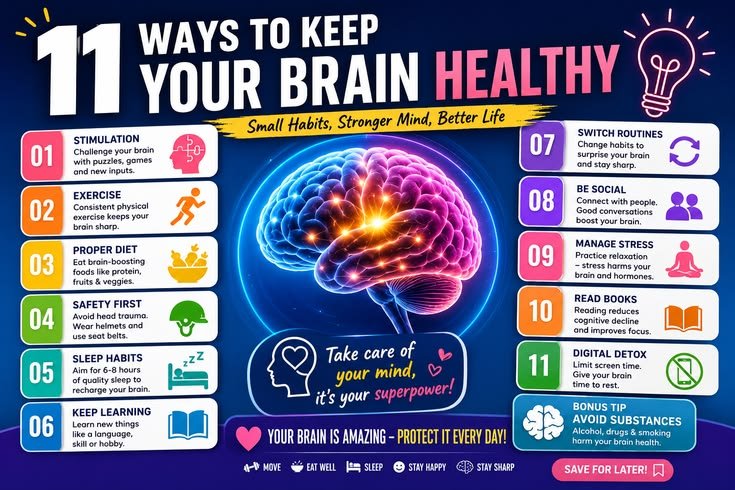
Healthy eating should be considered part of a broader lifestyle.
Nutrition works together with physical activity, sleep, stress management, social connection, and other health behaviors.
A person who eats nutritious food but rarely sleeps or remains physically active may still have an unbalanced lifestyle.
The goal is to develop sustainable habits rather than search for a single food that provides all the answers.
Frequently Asked Questions
What is the best food for brain health?
There is no single best food. A varied diet containing vegetables, fruits, whole grains, fish or other protein sources, nuts, seeds, and healthy fats can provide a broad range of nutrients.
Are walnuts good for the brain?
Walnuts provide healthy fats, protein, fiber, vitamins, and minerals. They can be included as part of a balanced diet.
Does drinking water help concentration?
Adequate hydration supports normal body function. Dehydration can contribute to tiredness and difficulty concentrating in some situations.
Do I need brain-health supplements?
Not necessarily. Most nutrients should ideally come from a varied diet. Supplements may be appropriate for specific deficiencies or circumstances and should be discussed with a healthcare professional.
Is fish important for brain health?
Fatty fish provide omega-3 fatty acids, including DHA. Fish can be part of a balanced diet, although people have different dietary preferences and nutritional needs.
Can food improve memory immediately?
No single food is likely to produce an immediate and dramatic improvement in memory. Brain health is influenced by overall lifestyle and long-term dietary patterns.
Conclusion
Nutrition provides the brain with energy and nutrients needed for normal function. A balanced diet that includes vegetables, fruits, whole grains, healthy fats, protein sources, nuts, seeds, and adequate fluids can support overall health and provide important nutrients.
Fatty fish can provide omega-3 fatty acids, leafy vegetables contribute vitamins and minerals, whole grains provide fiber and carbohydrates, and beans and other protein sources contribute essential nutrients.
The key is variety and consistency. Instead of searching for one special food or supplement, focus on building balanced meals and maintaining healthy habits over time.
When combined with adequate sleep, regular physical activity, stress management, and other healthy lifestyle choices, good nutrition can become an important part of a long-term approach to supporting normal brain function.



Leave a Reply