

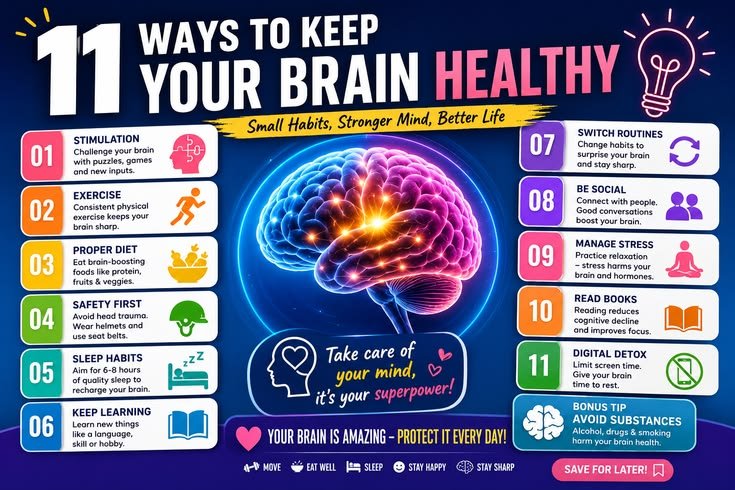
Brain health plays an important role in learning, memory, concentration, decision-making, mood, and everyday performance. The brain works continuously throughout the day, processing information, controlling body functions, storing memories, and responding to the environment. Supporting brain health does not always require complicated routines or expensive products. Simple daily habits can help maintain normal brain function and support overall well-being.
Many factors influence brain health, including sleep, physical activity, nutrition, hydration, stress management, social interaction, and mental stimulation. Building consistent habits around these areas can create a routine that supports the brain over time.
Get Enough Quality Sleep
Sleep is one of the most important daily habits for brain health. During sleep, the brain remains active and performs several processes related to memory, learning, attention, and recovery.
Poor sleep can make it harder to concentrate, remember information, solve problems, and maintain a stable mood during the day. A consistent sleep schedule can help the body maintain a regular sleep-wake rhythm.
Adults generally benefit from getting around seven to nine hours of sleep each night, although individual needs can vary. Going to bed and waking up at similar times each day can make it easier to maintain a consistent routine.
Creating a quiet and comfortable sleeping environment can also support better sleep. Limiting unnecessary screen use before bedtime, avoiding heavy meals close to bedtime, and keeping a regular evening routine may help prepare the body for sleep.
Stay Physically Active
Physical activity supports both physical and brain health. Regular movement increases blood circulation throughout the body and helps maintain cardiovascular fitness, which is closely connected to brain function.
You do not necessarily need an intense workout every day. Walking, cycling, swimming, stretching, household activities, and other forms of movement can become part of an active lifestyle.
A daily walk can be a practical starting point for people who spend most of their time sitting. Even short periods of movement throughout the day can help reduce long periods of inactivity.
Combining aerobic activities with strength exercises and flexibility work can create a balanced physical activity routine.
Eat A Balanced Diet
The brain requires energy and nutrients to perform its normal functions. A balanced diet can provide the nutrients needed by the brain and the rest of the body.
A varied eating pattern can include vegetables, fruits, whole grains, beans, nuts, seeds, fish, eggs, and other nutrient-rich foods. Healthy sources of protein and unsaturated fats can also be included as part of a balanced diet.
Instead of focusing on a single food as a solution for brain health, it is generally more useful to consider the overall quality and variety of the diet.
Highly processed foods and foods high in added sugar can be consumed less often while nutrient-dense foods make up a larger part of everyday meals.
Drink Enough Water
Hydration is another simple part of maintaining daily well-being. Water is involved in many processes throughout the body, including those required for normal brain function.
Not drinking enough fluids may contribute to feelings of tiredness and difficulty concentrating, particularly when combined with heat, physical activity, or other factors that increase fluid requirements.
Keeping water available during the day can make regular hydration easier. Individual fluid needs differ based on factors such as activity level, climate, diet, and overall health.
Make Time For Mental Stimulation
The brain benefits from regular mental activity. Learning new information, solving problems, reading, writing, practicing a skill, playing certain games, and exploring new subjects can provide opportunities for cognitive engagement.
Mental stimulation does not have to feel like formal study. Learning how to cook a new recipe, using a new software program, studying a language, playing a musical instrument, or researching an unfamiliar subject can all provide mental challenges.
The important factor is variety and continued engagement. Activities that require attention, learning, problem-solving, or creativity can make everyday routines more mentally active.
Manage Daily Stress
Stress is a normal part of life, but persistent or poorly managed stress can affect sleep, concentration, mood, and daily functioning.
Creating regular opportunities to relax can help make stressful periods easier to manage. Different approaches work for different people.
Deep breathing, walking, reading, listening to music, spending time outdoors, meditation, stretching, hobbies, and conversations with trusted people are examples of activities that may help create periods of relaxation.
It can also be useful to identify common sources of unnecessary stress and address them when possible. Planning tasks, setting realistic goals, taking breaks, and organizing daily responsibilities may reduce avoidable pressure.
Maintain Social Connections
Human beings are social, and regular interaction with other people can contribute to emotional and cognitive well-being.
Talking with family members, meeting friends, participating in community activities, joining groups, or simply having regular conversations can provide social stimulation.
Social activities often involve listening, speaking, remembering information, interpreting emotions, and responding to different situations. These interactions can therefore engage several mental processes at once.
For people who work or study remotely, deliberately scheduling social activities can help prevent long periods of isolation.
Take Regular Breaks From Screens
Digital devices are now part of work, education, entertainment, and communication. However, spending long periods looking at screens without breaks can contribute to eye strain, tiredness, reduced movement, and disrupted routines.
Taking short breaks can help create a healthier balance.
During a break, standing up, walking around, stretching, looking away from the screen, or drinking water can provide a change of activity.
Screen habits can also affect sleep when devices are used excessively late at night. Establishing a relaxing bedtime routine without constant digital stimulation may support better sleep quality.
Spend Time Outdoors
Spending time outdoors can combine several useful habits. Walking outside provides physical activity, while exposure to natural surroundings can provide a change from indoor environments.
Outdoor activities can include walking, gardening, cycling, hiking, or simply spending time in a park.
Being outdoors can also create opportunities for social interaction and reduce time spent sitting. The goal does not need to be complicated. A short daily walk can be enough to introduce outdoor movement into a routine.
Practice Good Time Management
A disorganized schedule can create unnecessary mental pressure. Simple planning habits can help reduce the amount of information that must be remembered throughout the day.
Using a calendar, task list, reminder system, or written schedule can make responsibilities easier to manage.
Breaking large tasks into smaller steps can also make them easier to approach. Instead of trying to complete everything at once, focusing on one priority at a time may improve concentration.
Taking planned breaks is equally important. Continuous work without rest can lead to mental fatigue and reduced attention.
Avoid Smoking And Limit Excessive Alcohol
Lifestyle choices can influence overall brain and cardiovascular health. Smoking exposes the body to harmful substances and is associated with damage to blood vessels and increased health risks.
Excessive alcohol consumption can also affect the brain and other organs. Limiting alcohol intake or avoiding it can be part of a healthier lifestyle.
People who are concerned about their alcohol or tobacco use can discuss available support options with a qualified healthcare professional.
Keep Learning New Skills
Learning does not need to stop after formal education. The brain continues to process new information throughout life.
Learning a new skill can provide a structured form of mental stimulation. Examples include photography, cooking, programming, gardening, drawing, writing, music, or a new language.
Choosing something personally interesting can make it easier to stay consistent. Progress does not need to be fast. Regular practice over time can be more useful than occasional intensive sessions.
Create A Consistent Daily Routine
Consistency can make healthy habits easier to maintain. A routine that includes regular sleep, meals, movement, work, relaxation, and social interaction can provide structure to the day.
The best routine is one that fits the person’s lifestyle and can realistically be followed.
Trying to change everything at once can make a new routine difficult to maintain. Instead, people can start with one or two habits and gradually add others.
For example, someone who currently has little physical activity might begin with a 15-minute daily walk. After that becomes routine, additional activities can be introduced.
Pay Attention To Mental And Emotional Well-Being
Brain health is connected with emotional well-being. Persistent sadness, anxiety, extreme stress, major changes in behavior, or ongoing difficulty with daily activities should not simply be ignored.
Talking to a qualified healthcare professional can help identify possible causes and appropriate support.
Mental well-being deserves the same attention as physical health. Seeking help when needed is a practical part of taking care of the whole person.
Frequently Asked Questions
What is the most important daily habit for brain health?
There is no single habit that works for everyone. A combination of adequate sleep, regular physical activity, balanced nutrition, hydration, mental stimulation, stress management, and social connection provides a stronger foundation for overall brain health.
Can walking support brain health?
Regular walking is a form of physical activity that supports cardiovascular fitness and overall health. It can also provide opportunities to spend time outdoors and reduce prolonged sitting.
Does sleep affect memory?
Yes. Sleep plays an important role in processes related to learning and memory. Poor sleep can make concentration and remembering information more difficult.
Is brain training necessary?
Formal brain-training programs are not necessarily required. Reading, learning skills, solving problems, studying, creative activities, and other mentally engaging tasks can provide cognitive stimulation.
How can I start improving my daily habits?
Start with small changes that are realistic. A consistent sleep schedule, a daily walk, more balanced meals, adequate water, and regular breaks can provide a practical starting point.
Conclusion
Supporting brain health is not based on one special habit or quick solution. It is influenced by the daily choices that become part of a person’s lifestyle.
Getting adequate sleep, staying physically active, eating a balanced diet, drinking enough water, managing stress, maintaining social connections, learning new skills, and taking regular breaks can all contribute to a healthier daily routine.
The most useful approach is consistency. Small improvements repeated over weeks, months, and years can become meaningful parts of an overall healthy lifestyle. Anyone with specific concerns about memory, concentration, mood, sleep, or other changes in brain function should speak with a qualified healthcare professional for personalized guidance.




Leave a Reply