

Introduction
Neuroscience research studies the structure, function, and chemistry of the brain to understand mental processes and behavior. It provides insight into the mechanisms underlying mental health conditions. By investigating neural circuits, neurotransmitter function, and brain activity patterns, researchers can develop more effective treatments for disorders such as depression, anxiety, bipolar disorder, and schizophrenia.
Advances in neuroscience inform clinical practice, allowing mental health professionals to apply evidence-based approaches. Research supports the development of therapies that target specific brain regions and neural pathways, improving treatment outcomes.
The Role of Neuroscience in Mental Health
Neuroscience examines how the brain regulates emotions, cognition, and behavior. Mental health disorders often involve disruptions in neural networks and neurotransmitter balance. Understanding these disruptions allows researchers to design interventions that restore normal brain function.
Neural Circuitry and Mental Health
Brain regions involved in mental health include:
- Prefrontal Cortex – Responsible for decision-making, attention, and executive functions.
- Amygdala – Processes emotions, particularly fear and stress responses.
- Hippocampus – Plays a key role in memory and learning.
- Striatum – Involved in reward processing and motivation.
Neuroscience research identifies how interactions between these regions contribute to mood disorders, anxiety, and cognitive impairments.
Neurotransmitters and Mental Health
Chemical messengers called neurotransmitters regulate mood, cognition, and behavior. Imbalances in neurotransmitters are associated with mental health disorders:
- Serotonin – Regulates mood, sleep, and appetite. Low levels are linked to depression.
- Dopamine – Controls reward, motivation, and pleasure. Dysregulation contributes to schizophrenia and bipolar disorder.
- GABA – Inhibits excessive neural activity. Low levels are linked to anxiety disorders.
- Glutamate – Excitatory neurotransmitter critical for learning and memory. Dysregulation affects mood and cognition.
Neuroscience research studies these chemical systems to design targeted pharmacological treatments.
Brain Imaging and Diagnosis
Advances in brain imaging allow researchers to observe brain structure and function in real time. Technologies such as MRI, fMRI, PET, and EEG are used to study mental health:
- MRI – Identifies structural abnormalities in brain regions associated with disorders.
- fMRI – Measures activity in response to cognitive tasks or emotional stimuli.
- PET – Tracks metabolic activity and neurotransmitter function.
- EEG – Monitors electrical activity and identifies abnormal neural patterns.
Imaging helps in diagnosis, monitoring treatment progress, and evaluating new therapies.
Neuroscience Research in Treatment Development
Research informs multiple treatment strategies for mental health conditions:
Pharmacological Interventions
Drugs targeting neurotransmitters are developed based on neuroscience research. Examples include:
- SSRIs – Selective serotonin reuptake inhibitors for depression and anxiety.
- Antipsychotics – Target dopamine and glutamate pathways for schizophrenia.
- Mood Stabilizers – Regulate neural activity in bipolar disorder.
Cognitive and Behavioral Therapies
Neuroscience informs cognitive-behavioral therapy (CBT) and other psychotherapies. By understanding neural circuits underlying thought patterns, therapists can develop strategies to modify maladaptive behaviors and beliefs.
Neuromodulation Techniques
Neuromodulation involves altering brain activity using electrical or magnetic stimulation:
- Transcranial Magnetic Stimulation (TMS) – Uses magnetic pulses to stimulate targeted brain regions.
- Electroconvulsive Therapy (ECT) – Induces controlled electrical activity to treat severe depression.
- Deep Brain Stimulation (DBS) – Implants electrodes to modulate neural activity in specific circuits.
These techniques are guided by neuroscience research to ensure precision and efficacy.
Personalized Mental Health Treatments
Neuroscience enables personalized treatment approaches by identifying individual neural patterns:
- Brain imaging data can guide therapy selection.
- Genetic studies identify susceptibility to disorders and treatment response.
- Functional assessments allow adjustment of therapy intensity or technique.
Personalized interventions improve treatment outcomes and reduce trial-and-error in therapy.
Neuroplasticity and Mental Health
Neuroscience research highlights the role of neuroplasticity in mental health recovery:
- Repeated therapy strengthens adaptive neural circuits.
- Learning new skills supports cognitive and emotional resilience.
- Lifestyle interventions, such as exercise and meditation, enhance neural connectivity.
Neuroplasticity allows the brain to reorganize, recover function, and adapt to new strategies for coping with mental health challenges.
Research Studies Supporting Neuroscience in Mental Health
- fMRI studies show altered activity in the prefrontal cortex and amygdala in patients with anxiety and depression.
- PET scans reveal dopamine system dysregulation in individuals with schizophrenia.
- TMS studies demonstrate improvement in depressive symptoms through stimulation of the dorsolateral prefrontal cortex.
- Cognitive training programs increase functional connectivity in neural circuits associated with attention and working memory.
These studies demonstrate the practical application of neuroscience research in improving mental health treatments.
Lifestyle Factors Supporting Neuroscience-Based Mental Health
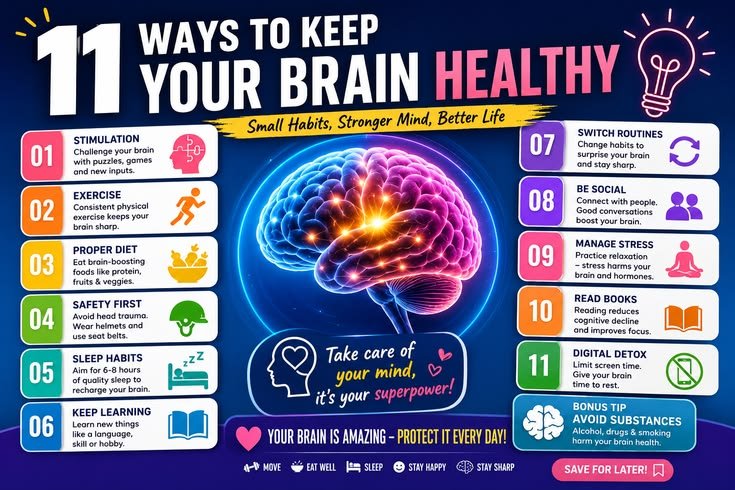
Research also identifies non-medical approaches to support neural function:
- Physical Activity – Enhances blood flow and neurotransmitter balance.
- Sleep – Consolidates learning, memory, and emotional regulation.
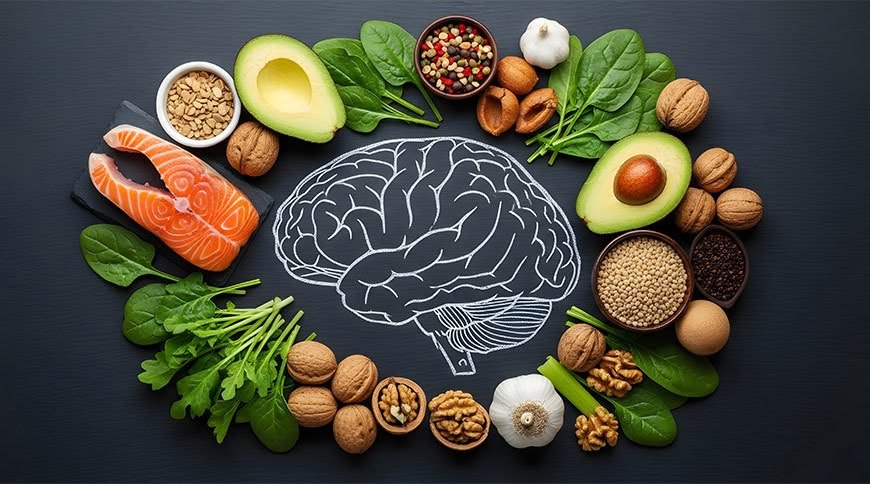
- Nutrition – Supports neurotransmitter synthesis and neural function.
- Mindfulness and Meditation – Strengthens neural circuits regulating attention and stress response.
- Social Engagement – Encourages mental stimulation and emotional support.
Incorporating these practices can enhance therapy and cognitive function.
Challenges in Applying Neuroscience to Mental Health
Despite progress, challenges remain:
- Complexity of brain networks makes pinpointing causes difficult.
- Individual variability affects treatment response.
- Long-term effects of neuromodulation techniques require further study.
- Ethical considerations must guide invasive interventions and neurotechnology use.
Ongoing research aims to address these challenges and improve precision in treatment.
Future Directions
Future neuroscience research may focus on:
- Integrating brain imaging, genetic, and behavioral data to tailor treatments.
- Developing non-invasive neuromodulation techniques with higher precision.
- Combining pharmacological and cognitive interventions for improved outcomes.
- Applying artificial intelligence to analyze neural data and predict treatment response.
These directions aim to improve the effectiveness and accessibility of mental health care.
Conclusion
Neuroscience research enhances mental health treatments by providing insight into brain function, neural circuits, and neurotransmitter systems. It informs pharmacological interventions, cognitive therapies, and neuromodulation techniques. Personalized approaches based on neural data improve treatment outcomes.
Understanding neuroplasticity, brain networks, and lifestyle factors supports recovery and cognitive resilience. Continued research in neuroscience will lead to more precise, effective, and accessible treatments for mental health conditions.


Leave a Reply