
Introduction
Synaptic transmission is the process by which neurons communicate with each other. It plays a critical role in learning and memory. The connections between neurons, called synapses, transmit chemical and electrical signals that allow information to flow throughout the brain. Understanding synaptic transmission is essential for studying how the brain encodes, stores, and retrieves information.
Research on synaptic function provides insight into how experiences and environmental stimuli influence neural circuits. Synaptic transmission supports cognitive processes, decision-making, and the ability to adapt to new situations.
What is Synaptic Transmission?
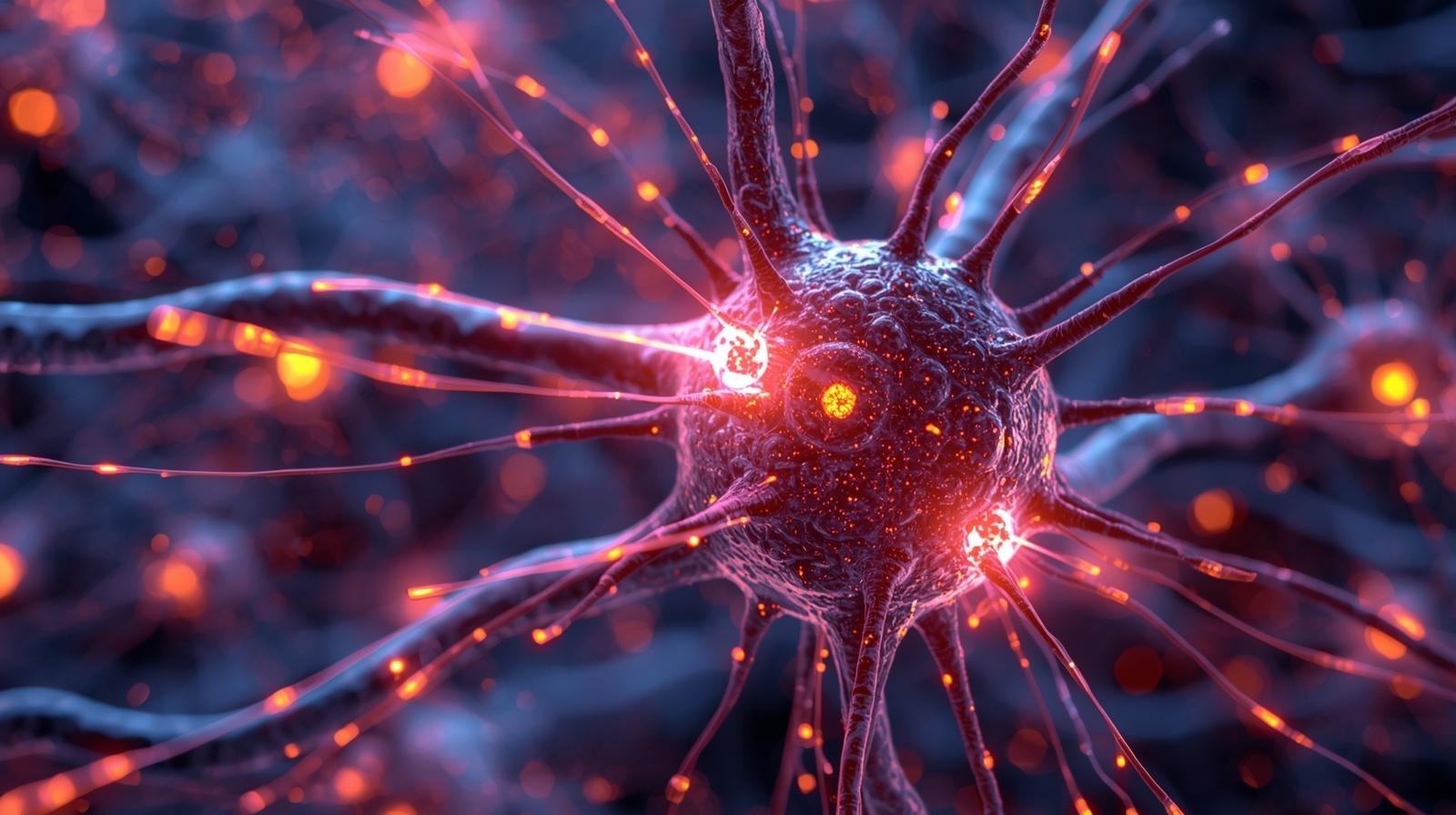
Synaptic transmission refers to the transfer of information between neurons at synapses. Synapses are small gaps where the axon terminal of one neuron communicates with the dendrite of another neuron. Transmission occurs through the release of chemical messengers called neurotransmitters.
Steps in Synaptic Transmission
- Action Potential Arrival – An electrical signal travels down the neuron to the axon terminal.
- Neurotransmitter Release – Vesicles in the axon terminal release neurotransmitters into the synaptic cleft.
- Receptor Binding – Neurotransmitters bind to receptors on the postsynaptic neuron, generating a response.
- Signal Propagation – The postsynaptic neuron generates an electrical signal if the stimulus exceeds a threshold.
- Neurotransmitter Clearance – Neurotransmitters are removed by reuptake, enzymatic breakdown, or diffusion.
Synaptic transmission can be excitatory, increasing the likelihood of neuron firing, or inhibitory, reducing the likelihood. The balance between these signals is essential for proper neural function.
Types of Synapses
Synapses are classified based on their function and structure.
- Chemical Synapses – Use neurotransmitters to transmit signals between neurons. They are the most common type in the human brain.
- Electrical Synapses – Directly transmit electrical signals through gap junctions. These synapses allow faster communication but are less common.
- Excitatory Synapses – Promote action potential generation in the postsynaptic neuron.
- Inhibitory Synapses – Reduce the likelihood of action potential generation.
Different types of synapses work together to regulate learning, memory, and cognitive performance.
Role in Learning
Synaptic transmission is central to learning. Learning involves changes in the strength and efficiency of synaptic connections.
Long-Term Potentiation (LTP)
LTP strengthens synaptic connections following repeated stimulation. It is a key mechanism underlying learning. When neurons communicate frequently, their connections become more efficient. LTP occurs primarily in the hippocampus, a brain region associated with memory formation.
Long-Term Depression (LTD)
LTD weakens synaptic connections through low-frequency stimulation. It allows the brain to remove unused or unnecessary connections. Both LTP and LTD contribute to the brain’s ability to adapt and learn new skills.
Synaptic Plasticity
Synaptic plasticity is the ability of synapses to change in strength and number. Plasticity enables the brain to store information and adapt to new experiences. Learning a new language, playing an instrument, or acquiring a new skill strengthens synaptic connections.
Role in Memory
Memory depends on the formation and maintenance of synaptic connections. Synaptic transmission allows information to be encoded and stored. Different types of memory involve specific neural circuits:
- Short-Term Memory – Temporary storage of information using existing synaptic pathways.
- Long-Term Memory – Consolidation of information through changes in synaptic strength and formation of new connections.
- Working Memory – Active maintenance and manipulation of information for immediate tasks.
Synaptic transmission ensures that memories are accessible and can be retrieved when needed. Repeated activation of neural circuits reinforces memory storage.
Neurotransmitters in Learning and Memory
Several neurotransmitters regulate synaptic transmission and cognitive processes:
- Glutamate – Major excitatory neurotransmitter. Critical for LTP and memory formation.
- GABA – Major inhibitory neurotransmitter. Balances excitation and prevents overstimulation.
- Acetylcholine – Supports attention, learning, and memory.
- Dopamine – Modulates reward-based learning and motivation.
- Serotonin – Influences mood and cognitive flexibility.
The interaction between these neurotransmitters ensures efficient learning and memory function.
Synaptic Transmission and Brain Disorders
Abnormal synaptic function is linked to cognitive impairments and neurological disorders:
- Alzheimer’s disease involves reduced synaptic density and impaired transmission.
- Autism spectrum disorders may result from imbalances in excitatory and inhibitory synapses.
- Schizophrenia involves dysregulation of synaptic connectivity.
- Epilepsy is associated with excessive excitatory transmission leading to seizures.
Understanding synaptic transmission allows researchers to develop treatments targeting specific neural circuits.
Enhancing Synaptic Function
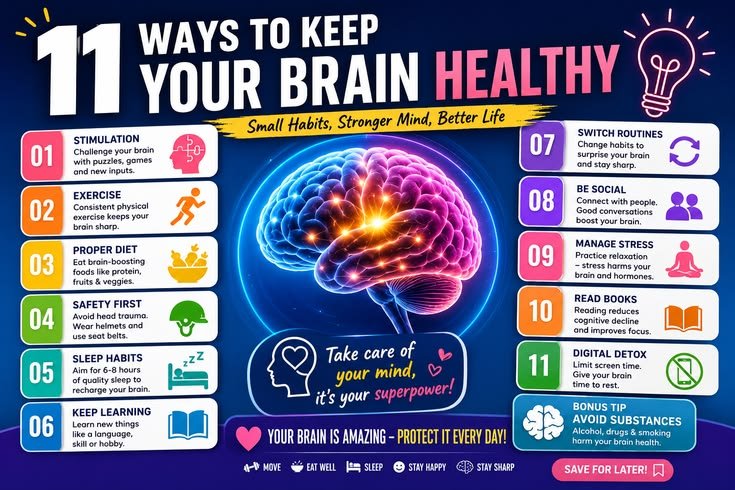
Certain practices support synaptic health and improve learning and memory:
- Cognitive Exercises – Mental challenges strengthen neural connections.
- Physical Exercise – Increases blood flow and supports synaptic growth.
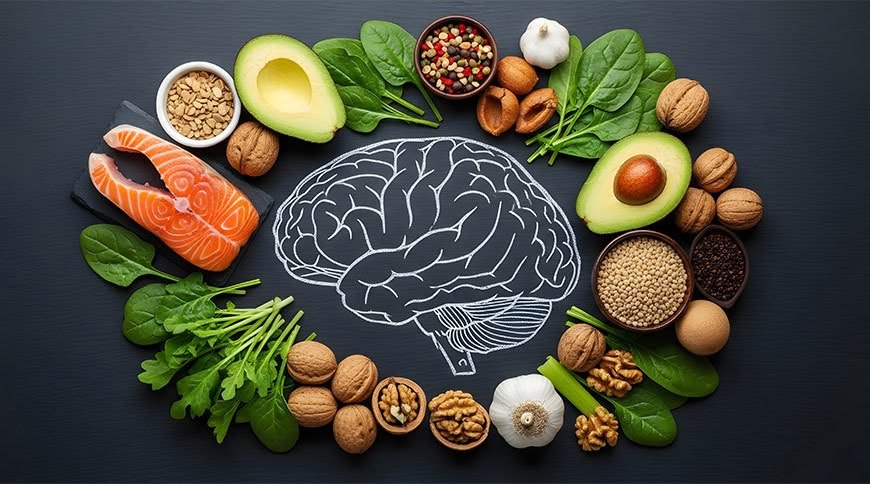
- Nutrition – Omega-3 fatty acids and proteins support neurotransmitter production.
- Sleep – Sleep consolidates memories and reinforces synapses.
- Learning New Skills – Engaging in new tasks stimulates synaptic plasticity.
Consistent practice of these methods enhances cognitive performance naturally.
Research Studies on Synaptic Transmission
- Studies on hippocampal neurons show LTP is critical for memory consolidation.
- Research on rodents demonstrates that enriched environments increase synapse density.
- Experiments on human participants indicate that cognitive training enhances functional connectivity in the brain.
- Neuroimaging studies show that learning new skills modifies synaptic pathways and improves task performance.
These studies highlight the role of synaptic transmission in supporting learning and memory.
Future Directions
Future research aims to:
- Develop pharmacological agents that enhance synaptic function.
- Investigate the role of synapses in neurodegenerative diseases.
- Use neurotechnology to monitor and manipulate synaptic activity.
- Apply findings in education, therapy, and rehabilitation.
Advances in understanding synaptic transmission will improve cognitive health and support strategies for maintaining brain function throughout life.
Conclusion
Synaptic transmission supports learning and memory by allowing neurons to communicate efficiently. Changes in synaptic strength and connectivity underlie cognitive function. Neurotransmitters such as glutamate, GABA, and acetylcholine play essential roles in neural communication.
Understanding synaptic transmission informs research on learning, memory, and neurological disorders. Practices such as cognitive training, physical activity, and sleep reinforce synaptic function. Continuous study of synapses will improve methods for enhancing cognitive performance and treating brain disorders.




Leave a Reply