
Introduction
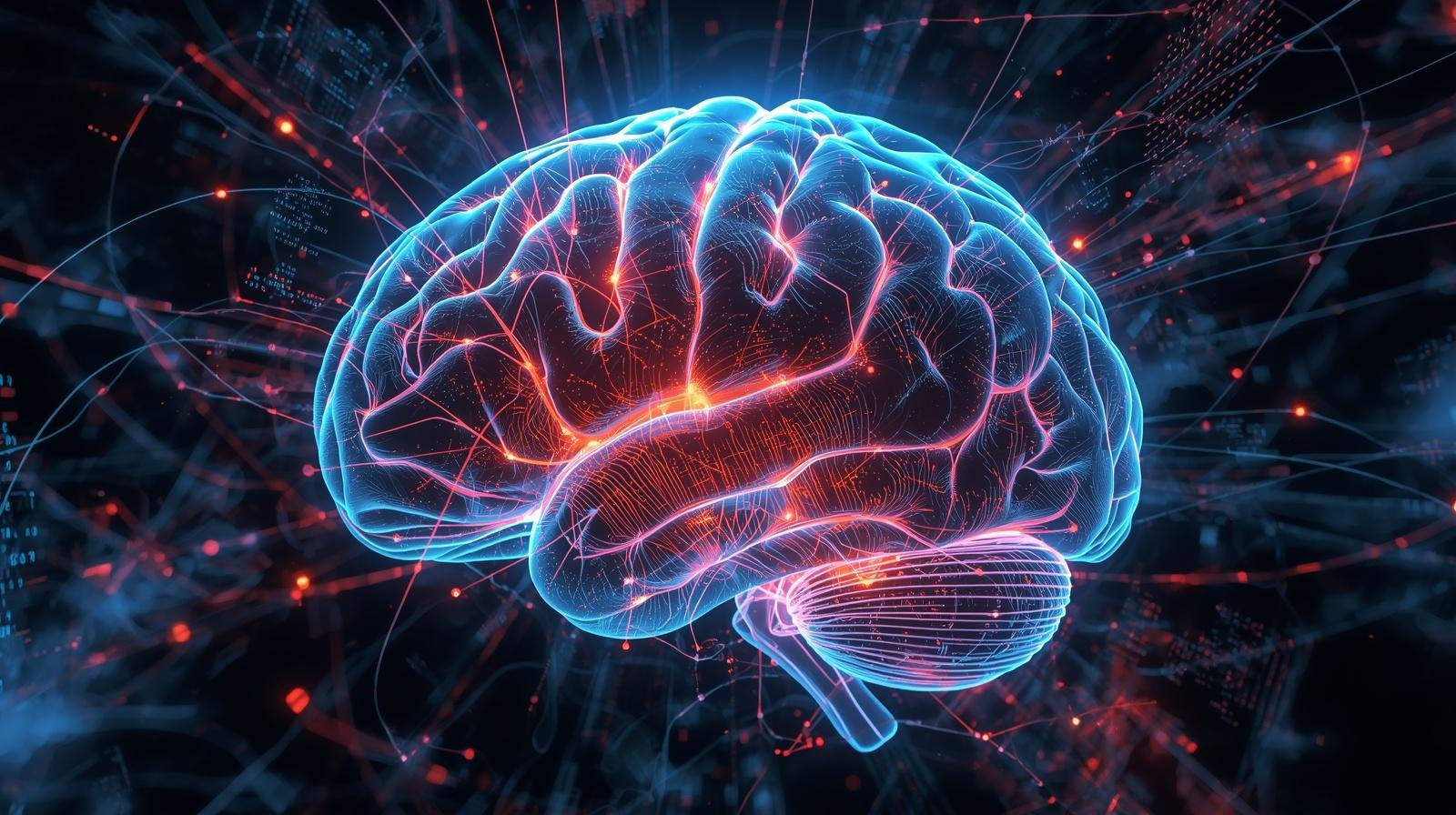
Brain mapping is a scientific technique used to study the structure and function of the human brain. It allows researchers to observe how different areas of the brain communicate and how neural networks operate. Understanding neural network connections is critical in identifying cognitive functions, diagnosing neurological disorders, and developing effective treatments. Brain mapping uses advanced technology to visualize and analyze the organization of neurons and their connections.
The study of neural networks contributes to multiple fields, including medicine, psychology, artificial intelligence, and education. Mapping provides insights into how the brain processes information, adapts to experiences, and responds to external stimuli. It also helps researchers understand the causes and progression of brain-related disorders.
Understanding Brain Mapping
Brain mapping refers to a collection of methods designed to study the brain at structural, functional, and molecular levels. Each approach provides different types of information. Researchers use brain mapping to identify the location of neurons, determine patterns of communication between regions, and observe the behavior of networks over time.
Structural Brain Mapping
Structural brain mapping focuses on the physical structure of the brain. It identifies regions, neural pathways, and the density of connections. This type of mapping is essential for understanding brain anatomy and detecting structural abnormalities. Structural mapping is often used in clinical diagnosis to identify lesions, tumors, or areas affected by injury.
Functional Brain Mapping
Functional brain mapping studies the activity of different brain regions during specific tasks or experiences. Techniques such as functional MRI (fMRI) allow researchers to measure blood flow and oxygen usage in active regions. Functional mapping provides insight into how the brain supports cognitive and motor functions.
Molecular Brain Mapping
Molecular mapping studies molecules, proteins, and neurotransmitters in specific brain regions. This approach allows researchers to understand how neurons communicate at a chemical level. Molecular mapping is critical in studying diseases such as Alzheimer’s, Parkinson’s, and epilepsy.
Technologies Used in Brain Mapping
Brain mapping relies on multiple technologies to detect, record, and visualize neural network connections. These tools allow researchers to study both the structure and function of neural circuits.
Magnetic Resonance Imaging (MRI)
MRI provides detailed images of brain structure. Functional MRI (fMRI) measures blood flow to detect active regions. MRI is non-invasive and widely used in research and clinical applications.
Electroencephalography (EEG)
EEG records electrical activity in the brain through electrodes placed on the scalp. It is used to monitor neural signals and understand how networks communicate. EEG is particularly effective for studying brain rhythms and identifying abnormal activity associated with disorders.
Diffusion Tensor Imaging (DTI)
DTI is a type of MRI that visualizes the flow of water molecules along neural fibers. It allows researchers to observe the pathways connecting different brain regions. DTI is valuable for studying white matter and connectivity in healthy and diseased brains.
Positron Emission Tomography (PET)
PET uses radioactive tracers to identify active brain regions. It measures metabolic activity and can show areas affected by disease. PET is often combined with MRI to provide both functional and structural information.
Importance of Neural Network Connections
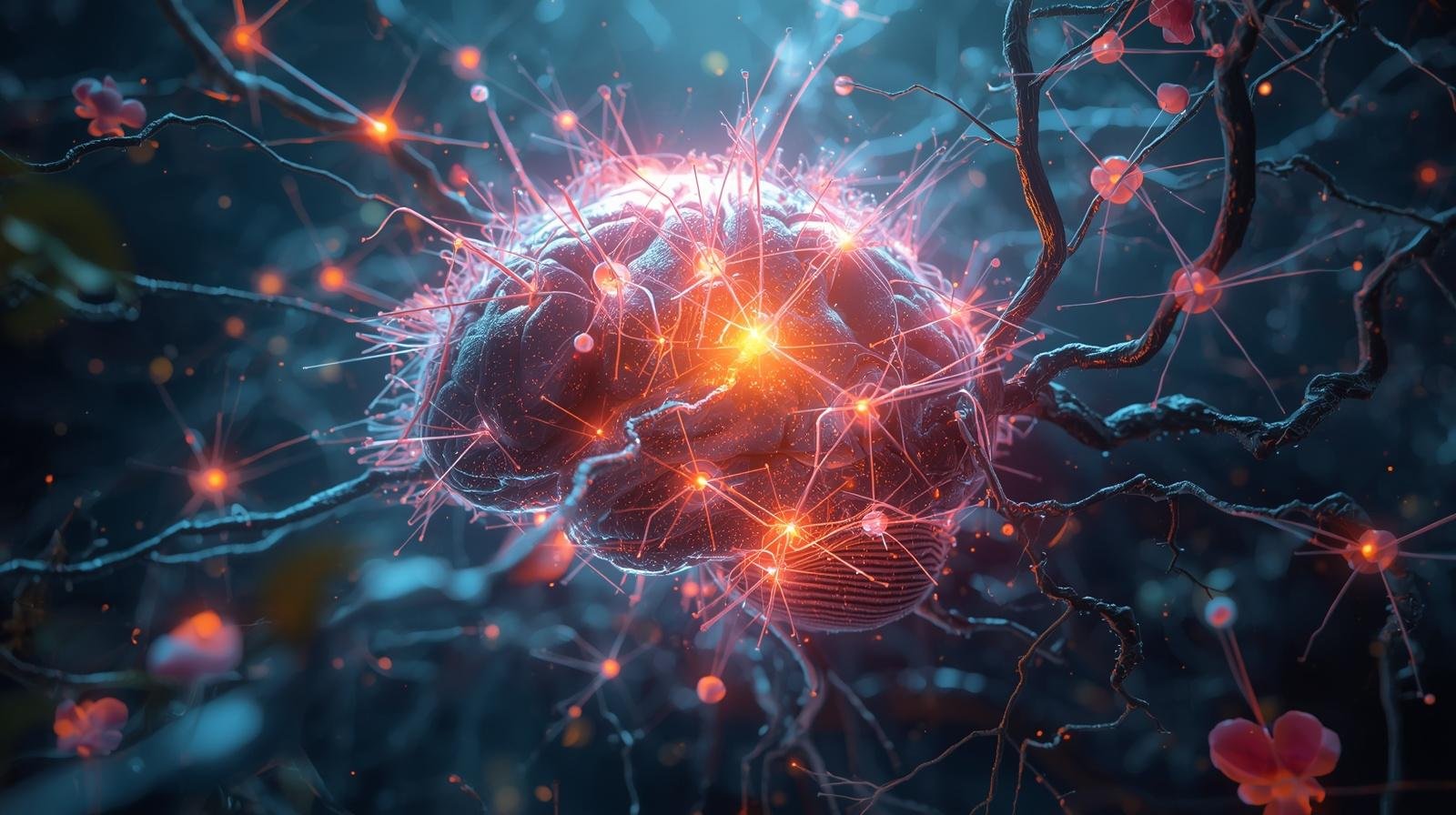
Neural networks are systems of interconnected neurons that transmit information across the brain. Mapping these connections is essential for several reasons.
Understanding Brain Function
Neural networks control cognitive, sensory, and motor functions. Mapping these connections helps researchers determine which regions handle specific tasks. This knowledge informs the study of learning, memory, decision-making, and attention.
Neurological Disorders
Abnormalities in neural networks are linked to disorders such as Alzheimer’s disease, Parkinson’s disease, autism spectrum disorders, and epilepsy. Brain mapping can identify disrupted connections and guide treatment strategies.
Developmental Studies
Brain mapping allows researchers to observe how neural networks change from childhood to adulthood. It provides insight into normal brain development and the effects of environmental factors on neural connectivity.
Treatment Planning
Knowledge of neural networks aids in designing interventions for neurological disorders. Brain stimulation, cognitive rehabilitation, and targeted therapy programs rely on accurate maps of brain connections.
How Neural Networks Communicate
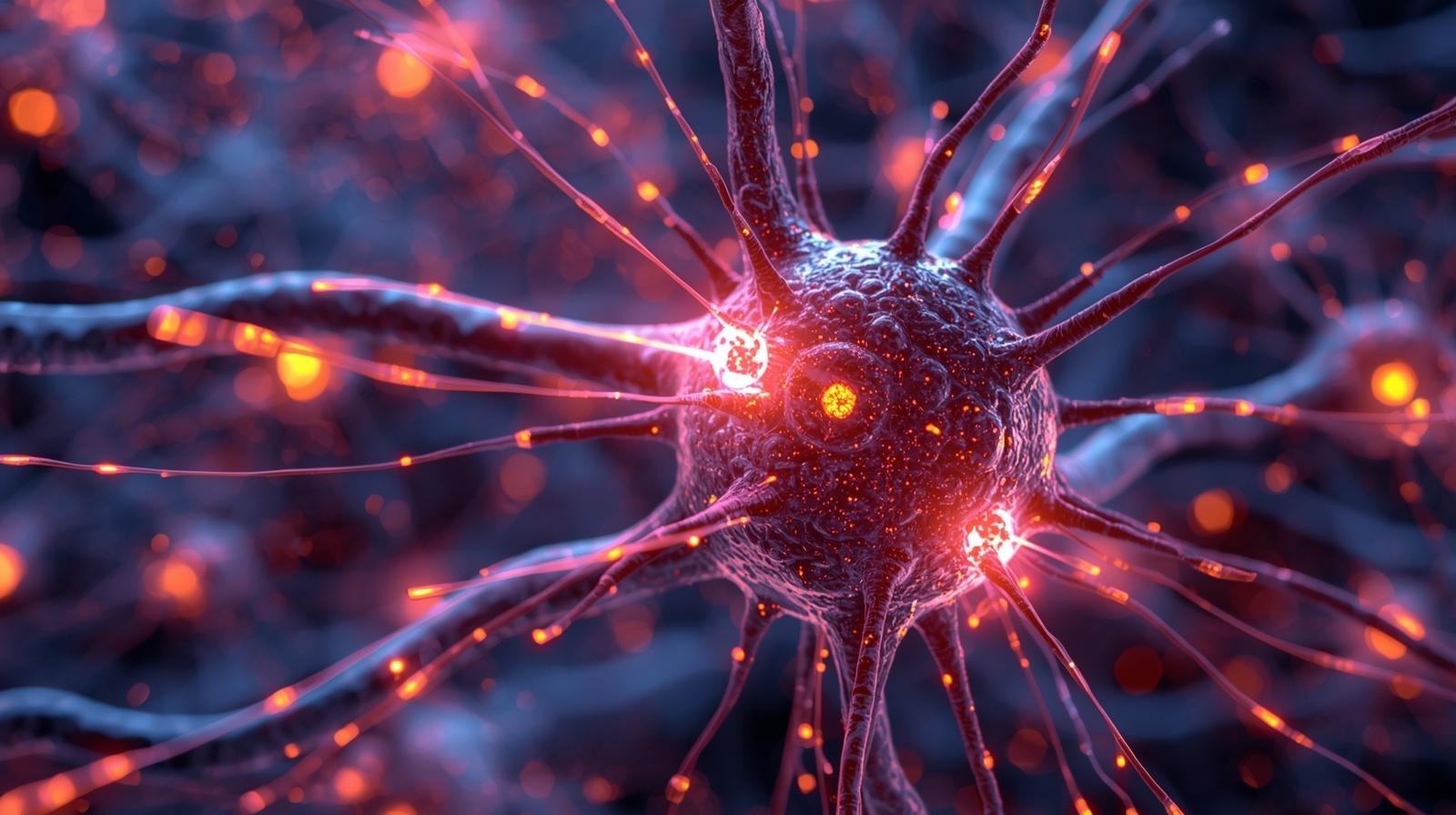
Neurons communicate using synapses, which transmit chemical and electrical signals. Excitatory signals increase neural activity, while inhibitory signals reduce it. The balance of these signals is crucial for proper brain function. Disruption in communication can lead to cognitive impairment, behavioral changes, or neurological disorders.
Mapping neural connections helps researchers understand the flow of information within networks. It also allows the study of how signals propagate during learning, memory formation, and decision-making processes.
Applications of Brain Mapping
Brain mapping has applications in medicine, research, and technology. Each application benefits from understanding neural networks.
Medical Diagnosis
Brain mapping identifies abnormal connections related to disorders. It helps detect early signs of Alzheimer’s, brain tumors, epilepsy, and traumatic brain injury. Accurate mapping guides treatment decisions and monitoring of disease progression.
Cognitive Research
Researchers use brain mapping to study learning, memory, and problem-solving. By observing neural network activity, scientists can understand how experiences shape the brain and improve educational strategies.
Neurorehabilitation
Brain mapping guides therapies for patients recovering from brain injury or stroke. Rehabilitation programs can target specific networks to improve motor and cognitive function.
Artificial Intelligence
Brain mapping inspires neural network models in artificial intelligence. Understanding the organization and communication of neurons informs the design of machine learning algorithms. AI models benefit from mimicking human brain structure and function.
Challenges in Brain Mapping
Despite technological advances, brain mapping faces challenges:
- Complexity of the Brain: The human brain contains billions of neurons and trillions of connections, making comprehensive mapping difficult.
- Individual Differences: Neural network patterns vary between individuals, complicating the interpretation of data.
- Resolution Limitations: Imaging technologies may not capture small or deep connections accurately.
- Ethical Considerations: Brain studies, especially those involving invasive methods, must consider consent and privacy issues.
Future Directions
Brain mapping continues to evolve. Researchers aim to improve imaging technologies for higher resolution and real-time observation of neural activity. Integrating structural, functional, and molecular mapping will provide a comprehensive understanding of the brain.
Advancements in mapping could lead to personalized medicine, where treatments are tailored to an individual’s neural network structure. Brain-machine interfaces, neural prosthetics, and cognitive enhancement tools may become more effective with precise mapping.
Case Studies and Research Examples
Recent studies illustrate the benefits of brain mapping:
- Researchers mapped the hippocampus to study memory formation. They identified specific neural pathways responsible for encoding and recalling information.
- Studies on stroke patients used DTI to assess white matter damage. Rehabilitation targeted damaged networks, resulting in improved motor recovery.
- fMRI studies on decision-making identified active prefrontal regions. Understanding these networks led to improved behavioral therapy approaches.
These examples show how brain mapping translates research into practical applications.
Conclusion
Brain mapping provides critical insight into neural network connections. It allows researchers to study brain function, detect disorders, and develop treatment strategies. Technologies such as MRI, EEG, DTI, and PET play a central role in mapping.
Understanding neural networks benefits medicine, cognitive research, neurorehabilitation, and artificial intelligence. Although challenges remain, ongoing research and technological improvements promise a deeper understanding of brain function. Brain mapping will continue to influence scientific research, healthcare, and technology.



Leave a Reply