
Introduction
Neuroplasticity is the ability of the brain to reorganize and form new neural connections throughout life. This process allows the brain to adapt to new experiences, learn new skills, and recover from injury. Neuroplasticity is a fundamental property that underlies learning, memory, and overall cognitive performance. Understanding neuroplasticity helps in developing strategies to improve cognitive function naturally.
Researchers study neuroplasticity to identify methods that enhance brain performance, support mental health, and slow cognitive decline. Brain plasticity occurs in response to learning, environmental changes, and repetitive activities. These changes involve strengthening existing neural connections or forming new pathways.
What is Neuroplasticity?
Neuroplasticity refers to the brain’s ability to change structurally and functionally. It occurs at multiple levels:
- Synaptic Plasticity – Changes in the strength or efficiency of communication between neurons.
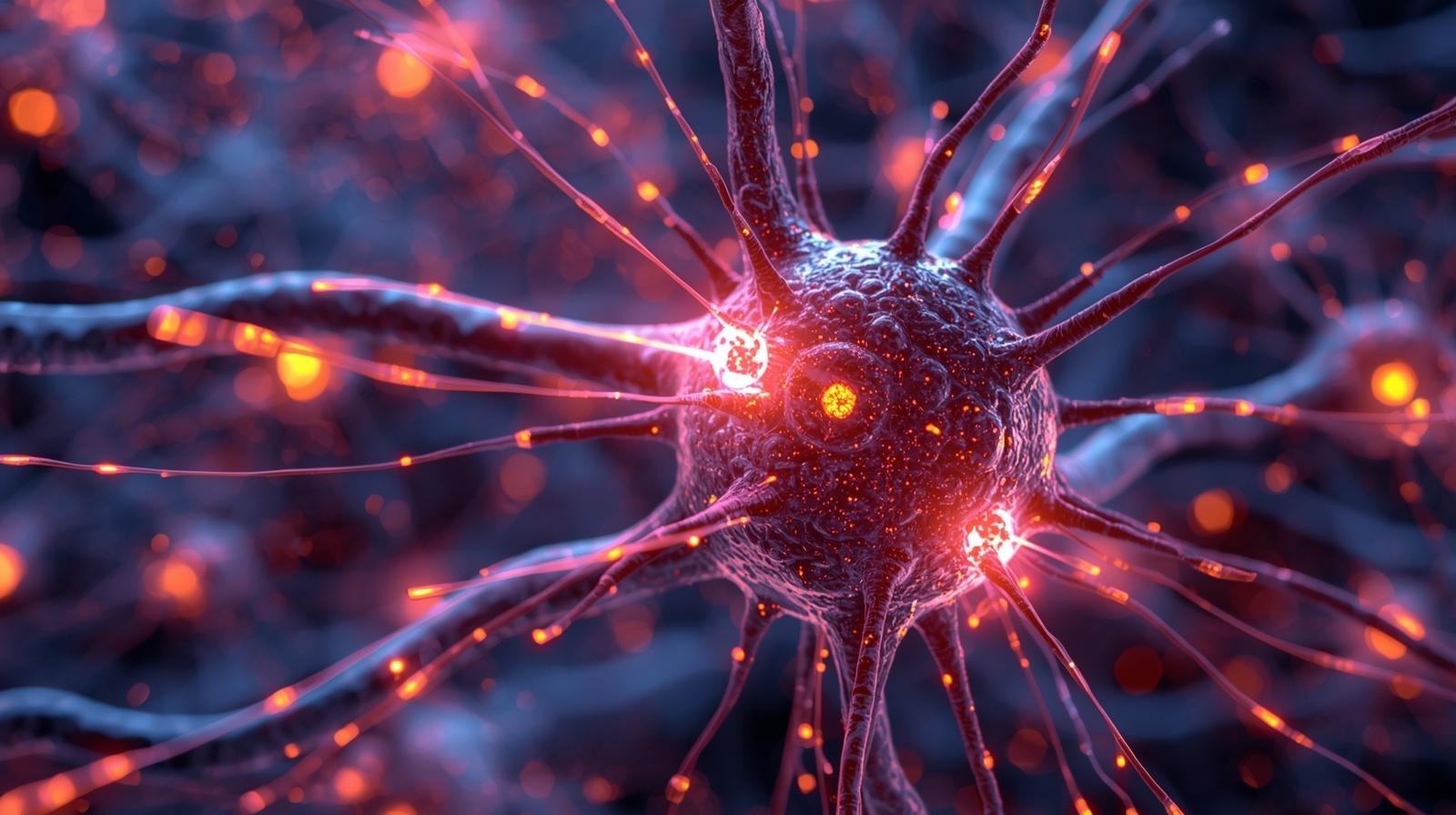
- Structural Plasticity – Formation of new dendrites, axons, and neural connections.
- Functional Plasticity – Shifting functions from damaged areas to healthy regions in response to injury.
Neuroplasticity is not limited to childhood. Adult brains also exhibit plasticity, although at a slower rate. Cognitive performance can be improved by stimulating neuroplastic mechanisms.
Mechanisms of Neuroplasticity
Neuroplasticity relies on several mechanisms that modify neural networks:
Long-Term Potentiation (LTP)
LTP strengthens synaptic connections through repeated stimulation. When a neural pathway is activated frequently, the connection becomes more efficient. LTP is critical for learning and memory.
Synaptogenesis
Synaptogenesis is the formation of new synapses between neurons. Learning new skills or acquiring knowledge triggers synaptogenesis. This process supports cognitive growth and adaptability.
Neurogenesis
Neurogenesis is the production of new neurons in specific brain regions, such as the hippocampus. Neurogenesis supports memory formation and information processing.
Dendritic Branching
Dendritic branching increases the number of connections a neuron can make. This process expands the brain’s capacity to process information and improves cognitive performance.
Factors That Enhance Neuroplasticity
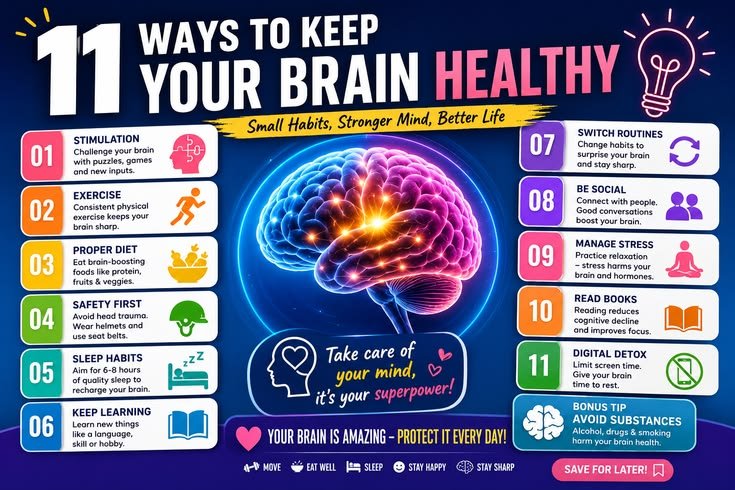
Several factors naturally promote neuroplasticity and cognitive improvement:
Learning and Skill Acquisition
Engaging in new activities stimulates the brain to form new connections. Learning languages, musical instruments, or technical skills enhances synaptic connections.
Physical Exercise
Physical activity increases blood flow and oxygen delivery to the brain. Exercise promotes the growth of neurons and supports cognitive function.
Cognitive Training
Structured cognitive exercises, memory games, and problem-solving tasks improve neural efficiency. These activities encourage long-term potentiation and dendritic branching.
Social Interaction
Interacting with others provides mental stimulation and encourages the formation of new neural pathways. Social activities enhance learning, memory, and executive function.
Healthy Sleep Patterns
Sleep is critical for consolidating learning and memory. During sleep, synaptic connections are reinforced, supporting neuroplasticity.
Nutrition
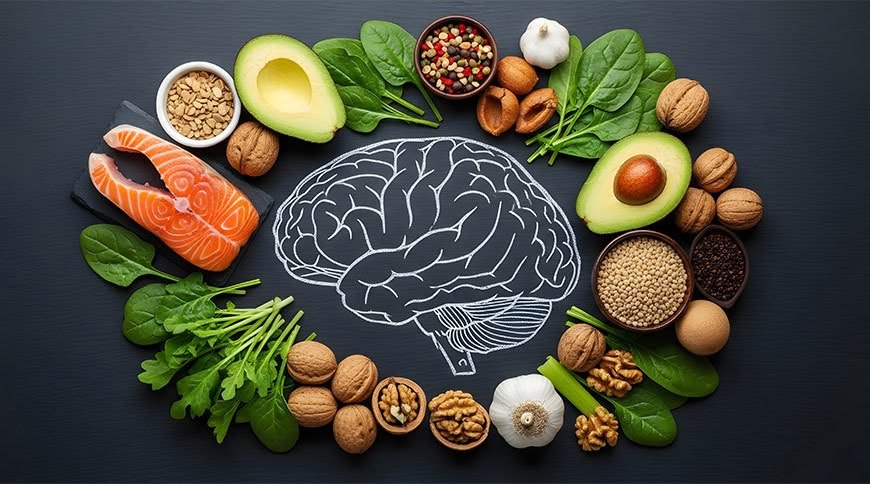
Nutrients such as omega-3 fatty acids, vitamins, and antioxidants support neural growth and maintain synaptic health. A balanced diet aids cognitive performance.
Neuroplasticity and Cognitive Performance
Neuroplasticity improves cognitive functions, including:
- Memory – Enhanced ability to store and retrieve information.
- Attention – Improved focus and sustained concentration.
- Problem-Solving – Increased efficiency in reasoning and decision-making.
- Learning Capacity – Faster acquisition of new skills and knowledge.
Cognitive performance benefits when neural networks adapt to challenges. Neuroplasticity allows the brain to compensate for deficits caused by injury, aging, or disease.
Neuroplasticity in Rehabilitation
Neuroplasticity plays a key role in recovery from brain injury or stroke. Rehabilitation programs focus on retraining the brain through repetitive exercises, motor skill training, and cognitive therapy. By targeting healthy neural networks, patients can regain lost functions or develop compensatory strategies.
Research shows that early intervention maximizes recovery. Neuroplasticity allows the brain to reorganize, form new pathways, and restore functionality. Rehabilitation programs are tailored based on individual neural patterns to optimize outcomes.
Research Studies Supporting Neuroplasticity
- Studies on musicians show that long-term practice increases gray matter in motor and auditory regions.
- Research on bilingual individuals demonstrates enhanced neural connections supporting cognitive flexibility.
- Stroke recovery programs utilizing repetitive motor training lead to the activation of alternative neural pathways.
- Cognitive training in older adults improves memory performance and increases functional connectivity in the prefrontal cortex.
These studies illustrate the potential of neuroplasticity to enhance cognitive performance across all ages.
Neuroplasticity and Mental Health
Neuroplasticity also supports mental health interventions:
- Cognitive-behavioral therapy (CBT) relies on neural rewiring to modify negative thought patterns.
- Exposure therapy uses repeated controlled experiences to reduce fear responses.
- Mindfulness and meditation strengthen connections in areas responsible for attention and emotional regulation.
Understanding neuroplasticity allows therapists to develop targeted strategies for improving mental resilience and cognitive health.
Techniques to Promote Neuroplasticity
Researchers and clinicians suggest several practical methods to enhance neuroplasticity:
- Brain Training Exercises – Puzzle solving, memory tasks, and learning new skills.
- Regular Physical Activity – Walking, jogging, and aerobic exercise.
- Mindfulness Practices – Meditation and focused attention exercises.
- Skill Acquisition – Learning new languages or technical skills.
- Social Engagement – Interaction with peers and group activities.
- Adequate Sleep – Maintaining sleep hygiene for memory consolidation.
- Balanced Nutrition – Including omega-3 fatty acids, vitamins, and minerals.
Consistent practice of these methods encourages long-term changes in neural networks.
Limitations and Considerations
While neuroplasticity is a powerful mechanism, several limitations exist:
- Age reduces the rate of plasticity.
- Severe brain injury may limit the potential for rewiring.
- Overtraining or stress can interfere with neural growth.
- Individual differences affect responsiveness to interventions.
Researchers continue to explore methods to overcome these limitations and optimize neuroplasticity across all populations.
Future Directions
Future research aims to enhance cognitive performance through neuroplasticity:
- Developing personalized cognitive training programs.
- Integrating neuroimaging to monitor plasticity in real-time.
- Combining physical and mental exercises for maximal effect.
- Studying the impact of diet, sleep, and lifestyle on neural growth.
Advances in technology will allow researchers to monitor neural changes and optimize interventions. Understanding neuroplasticity fully could lead to strategies that maintain cognitive performance throughout life.
Conclusion
Neuroplasticity improves cognitive performance naturally by allowing the brain to reorganize and form new connections. Learning, physical activity, social engagement, and cognitive training all stimulate neural growth. Neuroplasticity supports memory, attention, problem-solving, and mental health recovery.
Understanding neuroplasticity enables the development of strategies for education, rehabilitation, and lifelong learning. Ongoing research continues to reveal how neural networks adapt and respond to environmental and behavioral changes. By promoting neuroplasticity, individuals can enhance cognitive function and maintain brain health throughout life.




Leave a Reply